Guides
Different Types of Cigarette Lighters: A Complete Guide to Their Features and Uses
Lighters Villa
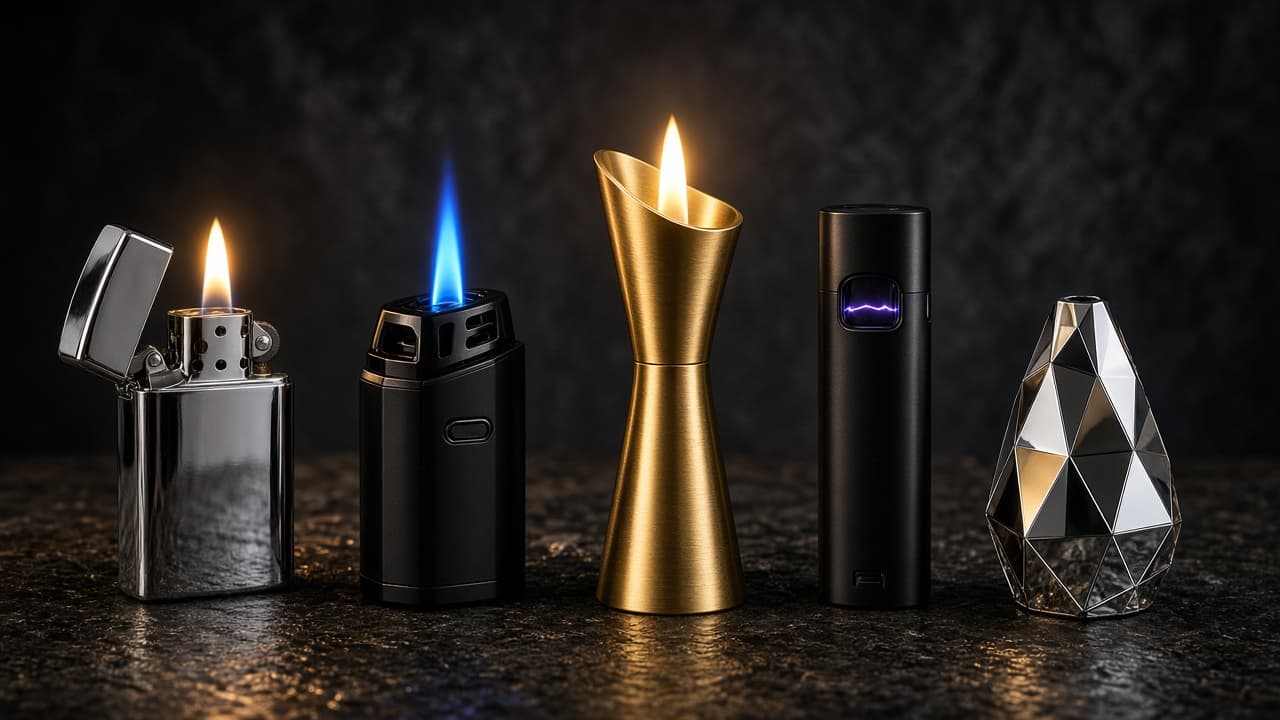
Lighters may look similar at first, but they can work in very different ways. Some use butane gas to create a traditional flame, others produce a focused jet flame, and some use electricity instead of fuel. There are also classic fluid lighters, long-reach utility lighters and decorative designs made to stand out.
So, which type of lighter should you choose? The answer depends on what you need, how you prefer to ignite it, and how much maintenance you are comfortable with. This guide explains the main types of lighters, how they work and what to consider before buying one.
Why Are There Different Types of Cigarette Lighters?
The easiest way to understand lighters is to look at three things: fuel or power source, ignition method, and design.
Fuel or power source: A lighter may use butane gas, liquid lighter fuel or a rechargeable battery.
Ignition method: It may use a flint wheel, a push-button spark, a heated element or an electric arc.
Design: Some are slim and pocket-sized, while others have a long neck, a classic flip-top case or a novelty shape.
These categories can overlap. For example, a flint-wheel lighter can use gas or liquid fuel, while a Zippo-style lighter usually refers to a case and wick-based design rather than one universal fuel system.
1. Soft-Flame Gas Lighters
A soft-flame gas lighter produces the familiar yellow flame commonly associated with everyday lighters. It usually uses butane gas, which is ignited by a spark when the user presses a button or operates a wheel.
What Are Soft-Flame Lighters Used For?
Soft-flame lighters are a straightforward option for everyday tasks that need a regular open flame. They come in disposable and refillable versions, with designs ranging from simple plastic bodies to metal and decorative models.
Common features include:
- A traditional, visible flame.
- Compact designs that are easy to carry.
- Push-button or flint-wheel ignition.
- Disposable and refillable options.
A basic gas lighter may be a good choice if you prefer a familiar design without extra functions. Check whether the model is refillable and which type of fuel it requires before purchasing.
2. Jet Flame or Torch Lighters
A jet flame lighter, also called a torch lighter, produces a narrow, concentrated flame. Many models use pressurised butane gas and create a blue flame that is more focused than the flame from a standard gas lighter.
How Is a Jet Flame Different?
A regular soft flame spreads more broadly, while a jet flame is directed through a small nozzle. This focused flame can be more resistant to moving air, although no lighter should be assumed to work in every weather condition.
Jet flame lighters are available in different formats, including slim pocket designs, sliding lighters and torch-style models.
Look for these features:
- A focused flame rather than a broad yellow flame.
- A refillable gas mechanism on many models.
- A compact or torch-style body, depending on the design.
- A flame adjustment feature on some models.
Choose a jet flame lighter when the concentrated flame is useful for your intended task. Always follow the product instructions and keep the flame away from skin, clothing and flammable materials.
3. Double-Flame Lighters
A double flame lighter produces two flames from a single ignition. Many designs use two jet nozzles, giving the lighter a broader combined flame area than a single-jet model.
What Makes a Double Flame Lighter Different?
The main difference is the flame setup. It is not a completely separate fuel category: a double flame lighter may still use butane gas and a similar ignition mechanism to a single-jet lighter.
Double-flame models often appeal to people who want a torch-style lighter with a distinctive look or a wider flame pattern. Some have decorative metal bodies, while others use a simple pocket design.
Before choosing one, check the product specifications for its fuel type, ignition method and refill instructions. The number of flames alone does not tell you everything about performance.
4. Electric and USB Rechargeable Lighters
Electric lighters use battery power rather than a conventional fuel flame. Many USB rechargeable models create an electric arc between two contact points; others use a heated element. The exact mechanism depends on the product.
Do Electric Lighters Produce a Flame?
Most electric arc lighters do not create a traditional flame. Instead, they generate an electrical arc that can ignite suitable material when it is positioned correctly. This gives them a different feel from gas or fluid lighters.
Common advantages include:
- Recharging instead of refilling with lighter fuel.
- No open gas flame in arc-style models.
- Reusable design, provided the battery and components remain in working condition.
- A modern, compact format in many models.
However, electric lighters still need charging, and battery life varies by model. Keep the contacts clean and dry, use the recommended charging cable, and follow the manufacturer’s safety instructions. Do not assume every electric lighter is suitable for every task.
5. Fluid and Zippo-Style Lighters
Fluid lighters use liquid lighter fuel, usually held in an absorbent material inside the lighter. A wick draws the fuel towards the top, where a spark ignites it. Classic Zippo-style designs commonly use a flip-top case, wick and flint-wheel mechanism.
What Should You Know About Fluid Lighters?
These lighters offer a familiar mechanical design and can be refilled, but they need a little more care than a sealed disposable lighter. Liquid fuel can evaporate over time, even when the lighter is not used, so it may need refilling before use.
Typical features include:
- A flip-top or hinged lid on many classic designs.
- A wick and flint-wheel ignition mechanism.
- A refillable fuel chamber.
- Replaceable parts, such as the flint and wick, on some models.
Always use the fuel specified for the exact lighter. Do not assume that every lighter with a Zippo-style shape uses liquid fuel; some designs use gas or have different inserts.
6. Flint-Wheel Lighters
A flint-wheel lighter is named for how it creates a spark. Turning the rough wheel against a flint produces sparks that ignite the fuel. This mechanism appears in several types of lighters, including many basic gas lighters and classic fluid models.
That means flint wheel describes the ignition method, not necessarily the fuel type. A flint-wheel lighter may use gas or liquid fuel, so check the listing or product instructions to know which one you have.
People often choose this style for its simple, hands-on mechanism. Depending on the model, the flint may need replacing after regular use.
7. Utility and Long-Reach Lighters
Utility lighters are designed to keep the ignition point farther from the hand. Many have an extended or flexible neck and are made for tasks such as lighting candles or reaching into spaces that are awkward to access with a small pocket lighter.
Useful features may include:
- A long neck or angled nozzle.
- A trigger-style handle.
- A safety lock or other control.
- Refillable gas or rechargeable power, depending on the model.
Choose a utility lighter based on the task it is designed for, not simply its size. Keep the nozzle pointed away from yourself and others, and never leave a lit lighter unattended.
8. Novelty and Decorative Lighters
Novelty lighters are designed around their appearance as much as their function. They may resemble a lipstick tube, guitar, car key, bottle, gaming accessory or another familiar object. Other designs use engraved patterns, metallic finishes or character-inspired artwork.
The shape does not tell you how the lighter works. A novelty lighter might use gas, liquid fuel or an electric mechanism, so check its specifications before buying.
When comparing decorative lighters, look for practical details as well as appearance:
- The ignition and fuel or power type.
- The size and weight.
- Whether it can be refilled or recharged.
- Whether the controls are easy to operate safely.
How to Choose the Right Lighter
Start with how you plan to use the lighter, then compare features. A striking design may catch your eye, but fuel compatibility, handling and maintenance matter too.
What Should You Check Before Buying?
- Fuel or power: Do you want a gas lighter, a fluid lighter or a rechargeable electric model?
- Flame type: Would a soft flame suit your needs, or do you need a focused jet flame?
- Ignition: Do you prefer a flint wheel, a push button or an electric arc?
- Portability: Will you carry it in a pocket, keep it at home or need a long-reach design?
- Maintenance: Check whether the lighter needs refilling, charging or replacement parts.
- Build and design: Look at the material, size, grip and finish, but do not treat appearance as a substitute for clear product specifications.
If you are unsure, read the product details carefully and confirm which fuel or charging method it requires. Two lighters may look similar but use different mechanisms.
Frequently Asked Questions
Which Type of Lighter Is Best for Everyday Use?
There is no single best option for everyone. A simple gas lighter offers familiar operation, a fluid lighter has a classic refillable design, and an electric lighter avoids liquid or gas fuel. Compare the ignition method, maintenance and intended use before deciding.
Is a Jet Flame Lighter Windproof?
Jet flames are generally more resistant to moving air than broad soft flames because they are focused. However, performance varies by model and conditions, so “windproof” should not be taken to mean it will work in every situation.
Is a Flint-Wheel Lighter the Same as a Fluid Lighter?
No. Flint wheel describes how the lighter creates a spark, while fluid describes the fuel. Some flint-wheel lighters use liquid fuel, and others use gas.
Do USB Rechargeable Lighters Need Lighter Fluid?
No. USB rechargeable electric models use a battery, not liquid lighter fuel. Still, check the product specifications because designs and charging requirements differ.
Are All Zippo-Style Lighters Fuel-Based?
No. Classic wick-and-flint models commonly use liquid lighter fuel, but a lighter that looks similar may use a different insert or fuel system. Check the specific product details.