Guides
Gas vs Fluid vs USB Rechargeable Lighters: What's the Difference?
Lighters Villa
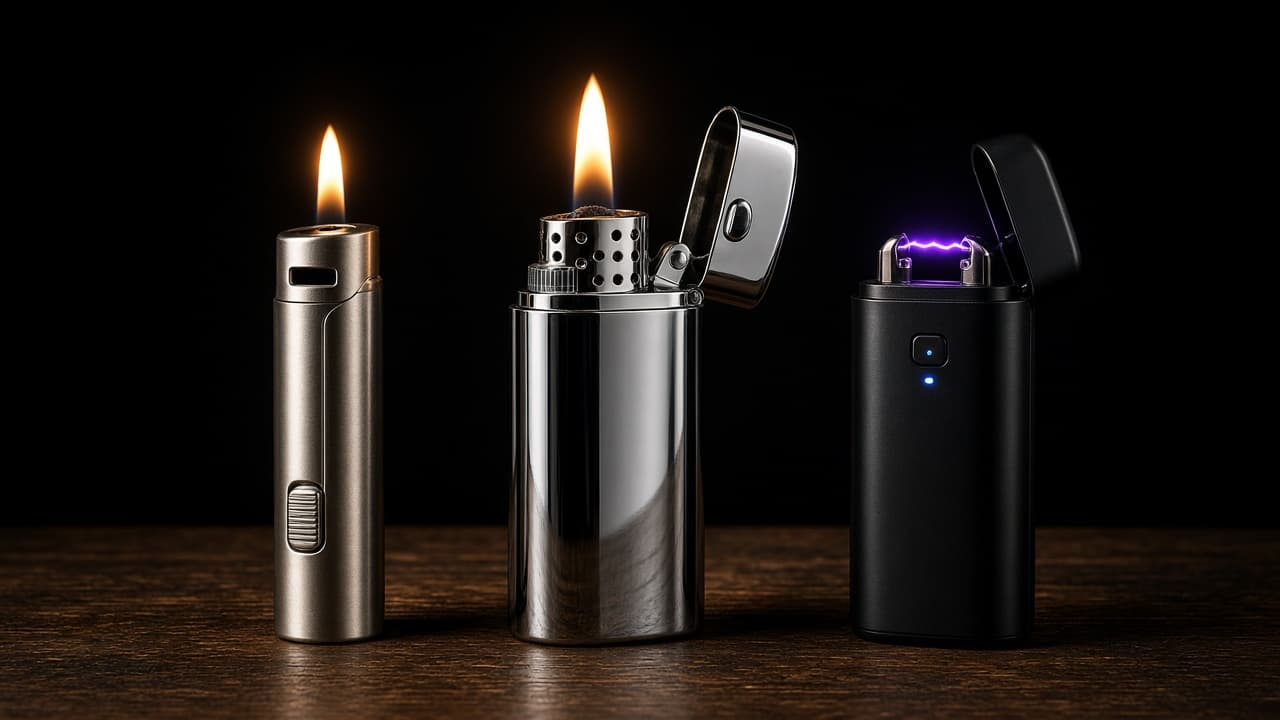
Choosing a lighter seems simple until you start comparing the options. Some use butane gas, others work with liquid lighter fuel, and USB rechargeable lighters rely on electricity instead of conventional fuel. Although they may serve a similar purpose, their working mechanisms, maintenance needs and everyday convenience can be quite different.
So, which one should you choose? Is a gas lighter easier to maintain? Does a fluid lighter need frequent refilling? And how does a USB rechargeable lighter work without a traditional flame?
Let's compare all three types, understand their advantages and limitations, and help you decide which one suits your preferences.
What Is the Difference Between Gas, Fluid and USB Rechargeable Lighters?
The biggest difference is how each lighter produces ignition and what it needs to keep working.
Gas lighters generally use butane gas to produce a flame.
Fluid lighters use liquid lighter fuel, often drawn through a wick and ignited by a spark.
USB rechargeable lighters use a built-in battery to power an electric arc or heating element.
Each type also has different maintenance requirements. Gas and fluid models need the correct fuel, while rechargeable models need electricity and a working battery.
Let's look at each option in more detail.
1. Gas Lighters: Simple and Familiar
A gas lighter typically uses butane stored inside a small fuel chamber. When you activate the ignition mechanism, a spark ignites the released gas and produces a flame.
Gas lighters are available in many designs, from basic pocket models to decorative metal lighters and powerful jet flame versions.
What Are the Advantages of Gas Lighters?
One reason gas lighters remain popular is their familiar operation. Most models use a button, switch or flint wheel to activate the ignition.
Other advantages include:
- Easy operation: Many models can be operated with a simple button or wheel.
- Different flame options: You can choose between a traditional soft flame and a focused jet flame, depending on the model.
- Refillable options: Some gas lighters can be refilled instead of replaced when empty.
- Wide design choice: They come in compact, metallic, decorative and torch-style designs.
A gas lighter can be a practical option if you prefer a conventional flame and do not mind refilling it when needed.
What Are the Limitations of Gas Lighters?
Gas lighters require compatible fuel and occasional maintenance. The flame may also be affected by wind, depending on the ignition system and design.
Keep these points in mind:
- You must use the fuel recommended for the specific model.
- Refillable models need a compatible butane refill canister.
- Ignition problems may occur if the lighter is empty, clogged or damaged.
- Gas must be handled carefully because it is flammable and stored under pressure.
Who should consider a gas lighter?
A gas lighter may suit someone who prefers a traditional flame, wants a choice of flame styles and is comfortable with periodic refilling.
2. Fluid Lighters: Classic Design with Liquid Fuel
A fluid lighter uses liquid lighter fuel rather than pressurised butane gas. In many classic designs, the fuel is held in absorbent packing and drawn towards a wick. A spark from a flint wheel ignites the vapour at the wick.
Zippo-style lighters are a familiar example of this design, although lighter styles can vary.
What Are the Advantages of Fluid Lighters?
Fluid lighters appeal to people who prefer a classic mechanical design. Many feature a metal case, hinged lid and flint-wheel ignition.
Their common advantages include:
- Refillable construction: Many models can be refuelled instead of discarded.
- Classic appearance: Metal cases and flip-top designs give them a recognisable look.
- Mechanical ignition: Traditional models do not depend on a rechargeable battery.
- Maintainable components: Some designs allow the flint and wick to be replaced.
For buyers who value the appearance and mechanism of a traditional lighter, a fluid lighter can be an appealing choice.
What Are the Limitations of Fluid Lighters?
The main difference you need to understand is that liquid lighter fuel can evaporate, even when the lighter is not being used. As a result, a fluid lighter may need refilling before use if it has been stored for some time.
Other considerations include:
- You need the specific type of lighter fluid recommended for the model.
- The wick and flint may need maintenance or replacement.
- Refilling requires care because the liquid fuel is flammable.
- Spilled fuel must be wiped away before ignition.
For example, Zippo's official refill guide explains how to fill its classic windproof lighter and stresses the importance of avoiding overfilling and wiping away excess fuel.
Who should consider a fluid lighter?
A fluid lighter may be suitable for someone who appreciates a traditional design, prefers a mechanical ignition system and does not mind occasional refilling and maintenance.
3. USB Rechargeable Lighters: An Electric Alternative
A USB rechargeable lighter uses a built-in battery rather than conventional lighter fuel. Many models create an electric arc between two contact points, while others use a heated element. The working mechanism depends on the product.
These lighters are available in compact pocket formats, flexible-neck designs and decorative models.
What Are the Advantages of USB Rechargeable Lighters?
The biggest difference is that electric models do not need butane or liquid lighter fuel to operate.
Their advantages may include:
- Rechargeable power: You recharge the internal battery instead of adding fuel.
- No conventional flame in arc models: Electric arc lighters use an electrical arc for ignition.
- Reusable design: A working rechargeable lighter can be used repeatedly rather than discarded after a single fuel supply is exhausted.
- Different shapes and features: Some models include flexible necks, counters, lights or other built-in functions.
A USB rechargeable lighter may suit someone who prefers electric ignition and wants to avoid carrying separate lighter fuel.
What Are the Limitations of USB Rechargeable Lighters?
Rechargeable lighters still need maintenance. Their batteries must be charged, and battery performance can change over time.
Consider these points before buying:
- Battery life and the number of ignitions per charge vary by model.
- You need a compatible charging cable and power source.
- Electric arc terminals should be kept clean and dry.
- A depleted battery may leave the lighter unusable until it has been charged.
- Not every rechargeable lighter uses the same ignition mechanism.
Also, an electric lighter should not automatically be considered suitable for every outdoor condition. Check its specifications and operating instructions before relying on it for a particular task.
Who should consider a USB rechargeable lighter?
It may suit someone who prefers battery-powered ignition, wants to recharge rather than refill a lighter and likes compact electric designs.
Gas vs Fluid vs USB Rechargeable Lighters: A Quick Comparison
Here is a side-by-side look at the main differences.
| Feature | Gas lighter | Fluid lighter | USB rechargeable lighter |
|---|---|---|---|
| Power source | Usually butane gas | Liquid lighter fuel | Built-in battery |
| Ignition | Spark ignites gas | Spark ignites fuel vapour at a wick | Electric arc or heating element |
| Refilling or charging | Refill compatible gas models | Add compatible lighter fluid | Recharge the battery |
| Maintenance | Refilling and occasional cleaning | Refilling, flint and wick maintenance where applicable | Charging and keeping contacts clean |
| Flame or ignition | Conventional soft or jet flame, depending on model | Traditional wick flame in common designs | Electric ignition; no conventional flame in arc models |
| Design options | Basic, decorative and torch-style | Often classic metal and flip-top designs | Compact, modern and feature-rich designs |
| Main consideration | Fuel compatibility and flame type | Fuel evaporation and upkeep | Battery life and charging |
Remember that these are general differences. Individual models can vary, so always check the product specifications before buying.
Which Lighter Is More Convenient for Everyday Use?
Convenience depends on what you find easier: refilling a fuel chamber or charging a battery.
Choose a Gas Lighter If You Prefer a Traditional Flame
A gas lighter may be a good fit if you want a familiar ignition method and a choice of flame styles. Refillable models can be used repeatedly, provided they are maintained and refilled correctly.
Choose a Fluid Lighter If You Like a Classic Mechanical Design
A fluid lighter may appeal to you if you prefer a traditional metal case, a flint-wheel mechanism and the look of a classic lighter. You will need to account for fuel evaporation and regular care.
Choose a USB Rechargeable Lighter If You Prefer Electric Ignition
A rechargeable lighter may be more convenient if you would rather charge a battery than carry fuel. Just remember to keep it charged and follow the instructions for your specific model.
There is no universal winner. The most convenient option is the one that fits your routine and maintenance preferences.
Which Lighter Is More Cost-Effective?
The initial price is only one part of the cost. You should also consider fuel, charging, replacement components and how long the lighter remains in good working condition.
- Gas lighters: Refillable models require compatible gas refills. Disposable models may need replacing when empty.
- Fluid lighters: You need compatible lighter fluid, and some designs may also require replacement flints or wicks.
- USB rechargeable lighters: These need electricity to recharge, and their battery or other components may eventually wear out.
A rechargeable lighter does not automatically cost less over time, just as a refillable lighter is not necessarily cheaper than every electric model. Compare the purchase price, ongoing needs and expected lifespan before deciding.
How to Choose the Right Lighter for Your Needs
Before choosing between gas, fluid and USB rechargeable lighters, ask yourself a few simple questions.
1. Do You Prefer a Flame or Electric Ignition?
If you prefer a conventional flame, consider a gas or fluid model. If you prefer an electric arc or heating element, look at rechargeable designs.
2. How Much Maintenance Are You Comfortable With?
Gas and fluid lighters need the correct fuel, while some designs also require flint or wick maintenance. Rechargeable lighters need regular charging and care for their electrical components.
3. Does the Design Matter to You?
Lighters come in a wide range of styles. You can find classic metal designs, slim pocket lighters, decorative cases and modern electric options. Choose a design that is comfortable to handle and easy to operate.
4. What Does the Product Listing Actually Say?
Do not rely on appearance alone. Two lighters may look almost identical while using different fuel or ignition systems.
Before buying, verify:
- The exact fuel or charging requirement.
- Whether the lighter is refillable or rechargeable.
- The type of flame or ignition mechanism.
- The recommended maintenance procedure.
- Any safety instructions specific to the model.
These details help you choose a lighter that meets your expectations rather than discovering later that it works differently than you assumed.
Frequently Asked Questions
Is a Gas Lighter Better Than a Fluid Lighter?
Neither is automatically better. Gas lighters generally use butane, while fluid lighters use liquid lighter fuel. A gas model may suit someone who prefers a conventional gas flame, while a fluid lighter may appeal to someone who likes a classic wick-based design.
Does a USB Rechargeable Lighter Need Gas?
No. A USB rechargeable electric lighter uses a built-in battery to power its ignition system. It does not need gas or liquid lighter fuel, unless the product is a hybrid design that specifically includes both systems.
Do Fluid Lighters Lose Fuel When Not in Use?
Yes, liquid lighter fuel can evaporate over time, even if the lighter is not used. This is why a fluid lighter may need refilling before use after storage. Keep the lid closed when appropriate and follow the manufacturer's care instructions.
Are All Refillable Lighters the Same?
No. A refillable lighter may use butane gas or liquid lighter fuel, depending on its design. Always use the fuel specified by the manufacturer. Using the wrong fuel can damage the lighter or create a safety risk.
Which Lighter Should I Buy?
Start with the ignition type you prefer. Choose gas for a conventional flame, fluid for a classic wick-and-flint design, or USB rechargeable for battery-powered electric ignition. Then compare the price, maintenance, size and product specifications.